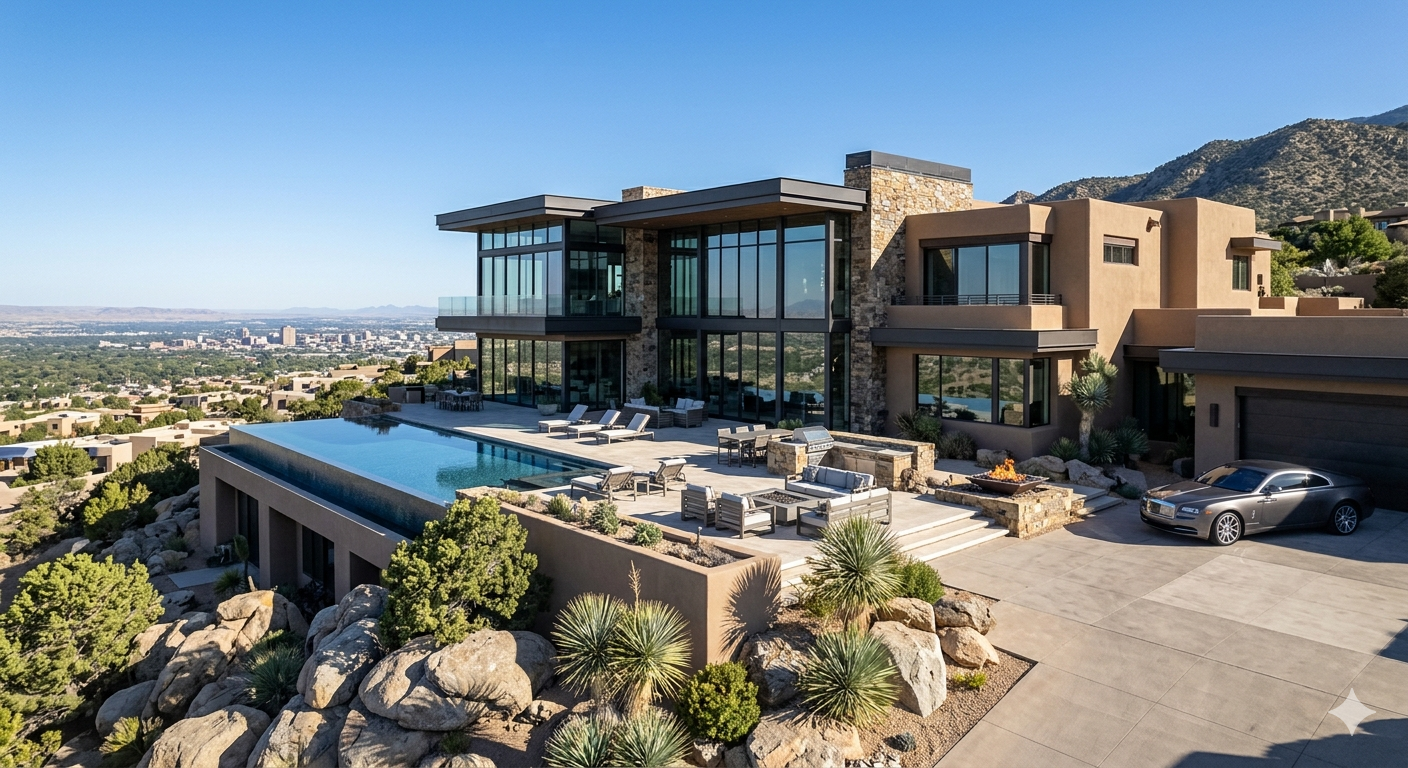

Location, and it’s not particularly close.
Most homes appraise within about 20% of comparable properties in the same neighborhood, which means no amount of granite countertops overrides a bad location. Beyond that, the specific factors that hurt value most fall into two very different buckets: things genuinely outside your control, and things sellers accidentally do to themselves. We’re leaning on real published research for this one, not just the usual blog-post checklist.
So, What Devalues a House the Most, According to Real Research?
Beyond the general “location matters” truism, a few specific, measurable factors show up again and again in actual academic and industry research, with real percentage figures attached rather than vague warnings.
Location-Based Factors That Actually Move the Needle
These are the factors a fresh coat of paint can’t fix, because they’re about the land, not the house sitting on it.
Flood Zones: A Documented 4.4% to 6.9% Discount
Research published through the National Bureau of Economic Research found homes located within a 100-year floodplain are valued 4.4% to 6.9% lower than comparable homes outside the flood zone, driven by the perceived flood risk and the added cost of required insurance. It’s a real, quantified discount, not just conventional wisdom, and it’s worth checking a property’s FEMA flood zone designation before you buy or before you’re surprised by it at appraisal time on a refinance.
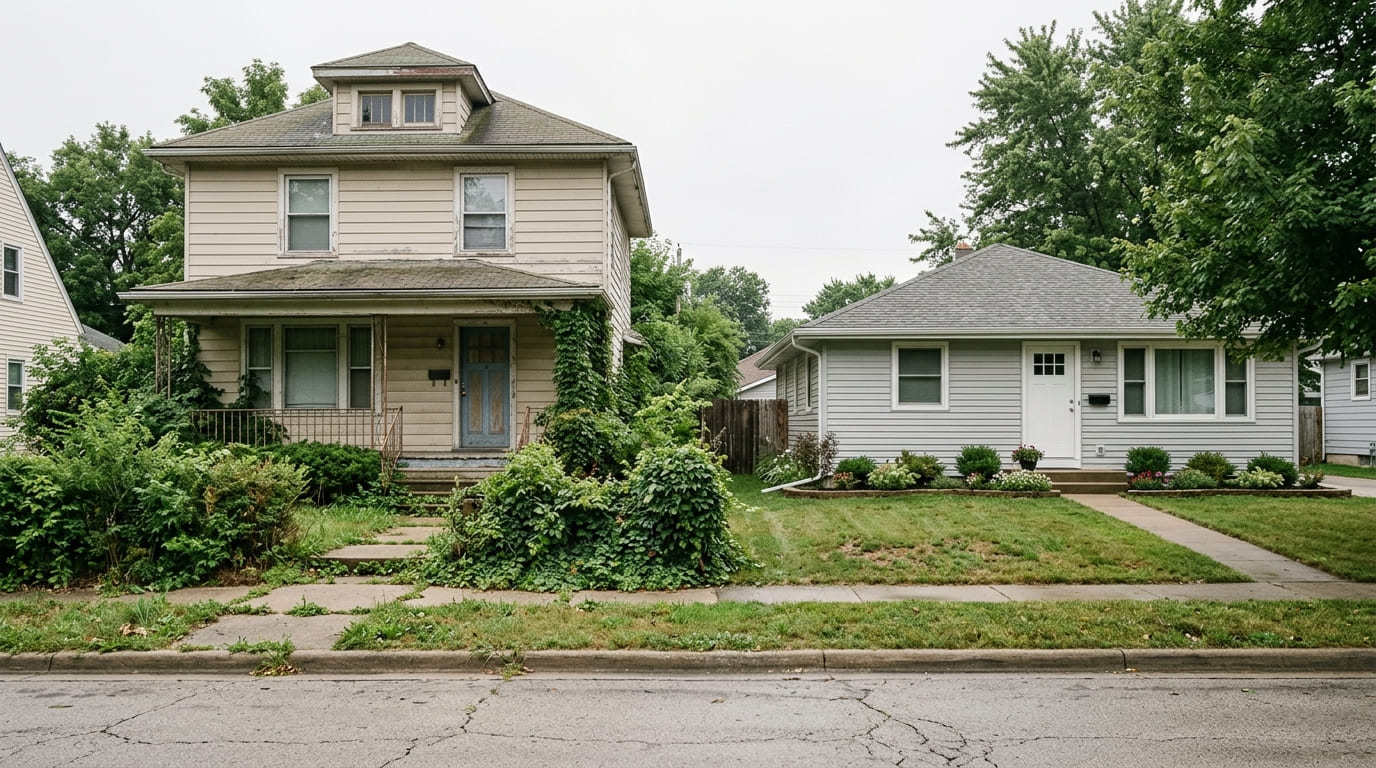
Neighboring Properties in Poor Condition
A poorly maintained or vacant property next door can measurably drag down your own home’s value, with industry data suggesting drops in the range of 5% to 10% for a neighboring property in visibly poor condition, and more when foreclosures or vacant homes cluster on the same block. Appraisers refer to this as external obsolescence, value loss caused by something outside the property line entirely.
Why Renovating Your Own Home Can’t Fix This One
This is the frustrating category for homeowners: external obsolescence doesn’t respond to your own renovation budget. A new kitchen doesn’t undo the appraisal drag from a derelict house two doors down. The only real remedies are civic ones, code enforcement, neighborhood associations, or simply time as a struggling property eventually sells or gets rehabbed.
Self-Inflicted Value Killers (The Ones You Can Actually Control)
Unlike location and neighboring properties, this next category is entirely within a homeowner’s control, and it’s where a lot of well-intentioned renovations backfire. Removing a bedroom, converting a four-bedroom into a three-bedroom by combining rooms or building out a home theater, is consistently flagged as one of the single biggest self-inflicted value hits, because buyers filter search results by bedroom count, and a lower number quietly removes your home from a huge share of potential buyers’ searches. Overly trendy or highly personalized finishes, bold tile choices, unconventional layouts, niche design themes, run a close second, since a buyer who has to mentally (and financially) rip out your choices before moving in will simply offer less, or skip the home entirely. Deferred maintenance, outdated major systems, and genuinely poor curb appeal round out the list, and unlike location, every one of these is fixable before you list.
What This Means If You’re Selling in Albuquerque
Flood zone considerations aren’t hypothetical here either, properties near the Rio Grande in parts of the North Valley and South Valley can fall within designated flood zones, which is worth confirming early if you’re buying or selling in those areas. Our see how Albuquerque neighborhoods compare guide covers several of these river-adjacent communities individually.
What Devalues a House the Most in a Non-Disclosure State Like New Mexico
It’s also worth noting broader, more serious findings on this topic: Brookings Institution research has documented that homes in majority-Black neighborhoods nationally are valued roughly 21% to 23% below what comparable homes would be worth in other neighborhoods, with appraisal bias itself accounting for an estimated 9% to 19% of that gap. It’s a sobering reminder that not every factor devaluing a home is about the property, or even the neighborhood’s physical condition, at all. In a non-disclosure state like New Mexico, where actual sale prices aren’t automatically part of the public record, getting a current, locally grounded comparative market analysis matters even more than usual for catching an inaccurate valuation before it costs you.
Frequently Asked Questions About What Lowers Home Value
Location has the largest overall impact, since most homes appraise within about 20% of comparable properties in the same neighborhood, regardless of the home’s own condition or updates.
Research from the National Bureau of Economic Research found homes in 100-year floodplains are valued 4.4% to 6.9% lower than comparable homes outside flood zones.
Yes, significantly. Converting a bedroom into another use drops the home into a lower bedroom-count category in listing searches, which shrinks the pool of buyers who will even see the home in their search results.
Yes. A neighboring property in visibly poor condition can reduce a home’s value by an estimated 5% to 10%, a phenomenon appraisers call external obsolescence, and it’s not something your own renovations can fix.
Yes. Overly trendy or highly personalized design choices tend to narrow a home’s buyer pool, since buyers often discount their offer to cover the cost of removing finishes they don’t want.
Yes. Brookings Institution research has found homes in majority-Black neighborhoods are valued significantly below comparable homes elsewhere, with appraisal bias accounting for a meaningful share of that documented gap.
The Bottom Line
What devalues a house the most really splits into two categories: things you can’t control, like location, flood risk, and a neighbor’s neglected property, and things you can, like deferred maintenance, over-customization, and shrinking your own bedroom count. Knowing which bucket a specific issue falls into is the difference between a renovation that actually helps and one that wastes money chasing a problem that was never fixable in the first place.
We are Jennifer and Vinay Rodgers with The Rodgers Neighborhood Real Estate Group, powered by Real Broker, LLC. Before you spend a dollar on renovations meant to boost resale value, get a current comparative market analysis from us, we’ll tell you honestly which fixes are worth it for your specific home and neighborhood. Reach us at 505-514-5356 or 505-417-2733.

Leave a Reply