
What is living in Tijeras, NM like?
Living in Tijeras means small-town roots, genuine Route 66 history, and a front-row seat to the canyon that separates the Sandia and Manzano Mountains, all about 20 minutes from Albuquerque. As one of the few incorporated villages in the East Mountains, Tijeras offers a real sense of place for a community of fewer than 500 residents.
Why Living in Tijeras Puts You Right at the Canyon Crossroads
Tijeras sits at a genuine geographic crossroads, literally where two canyons meet, and it’s been a natural travel corridor for centuries. Interstate 40 carries most of today’s traffic through the canyon, but the old Route 66 alignment still runs through the heart of the village, a reminder of just how long people have been passing through, and settling, right here.
For buyers who want small-town identity with a straightforward commute and easy access to the rest of the East Mountains, Tijeras is worth a close look.
A Canyon Crossroads With Thousands of Years of History
Few communities in the metro can claim a history stretching back as far as this one.
From Ancient Pueblo to Route 66 Waypoint
Evidence from nearby Sandia Cave suggests people have inhabited this area for more than 10,000 years. Around 1300 A.D., Ancestral Puebloan people built Tijeras Pueblo just outside where the modern village sits today, and archaeological work there continues to shed light on that early community. Centuries later, the canyon became a key stretch of Route 66, carrying travelers through New Mexico from the late 1930s until Interstate 40 took over that role.
Becoming an Incorporated Village
A settlement has existed continuously at this site since at least the 1850s, but Tijeras didn’t formally incorporate as a village until 1973. According to the Village of Tijeras’ official site, that local government still oversees the village today, making Tijeras one of the only East Mountain communities with its own municipal structure rather than relying entirely on the county.
What Village Government Means for Tijeras Residents
Unlike neighboring Cedar Crest or Sandia Park, which are unincorporated, Tijeras has its own local ordinances, planning process, and municipal services. In practice, that often means a bit more structure around zoning and development than you’ll find in the surrounding unincorporated East Mountains.
Homes and Everyday Life in Tijeras
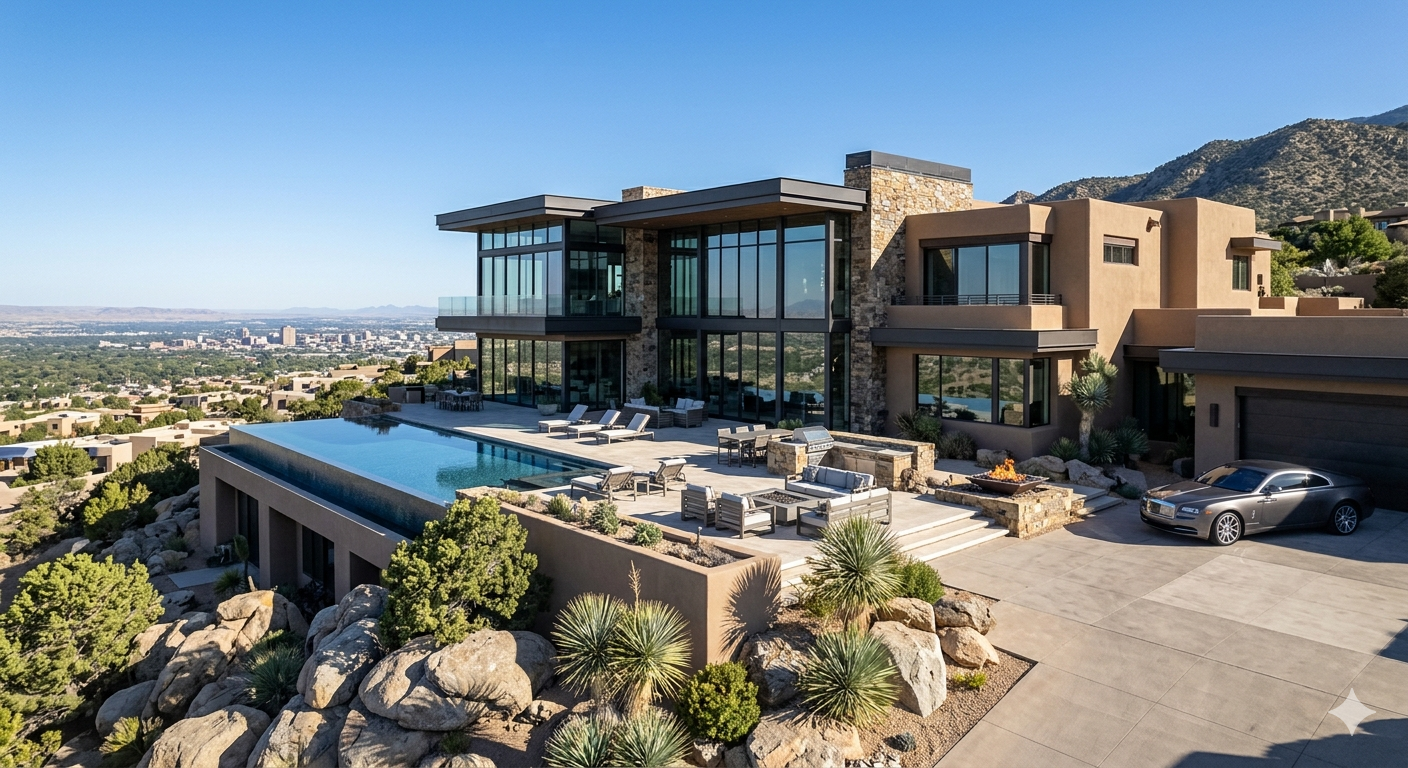
Tijeras real estate tends to be more affordable than the larger homes found in Cedar Crest or Sandia Park, with a mix of older village homes and newer properties on the surrounding hillsides. Its central location within the East Mountains also makes it a practical home base for residents who want quick access to shopping, schools, and the highway. Our Tijeras real estate listings page is a good place to see current options.
Gateway to the Turquoise Trail and the National Forest
Tijeras is genuinely the front door to the Turquoise Trail, with NM Highway 14 heading north from the village toward Cedar Crest, Sandia Park, Madrid, and eventually Santa Fe. The village is also home to the Sandia Ranger District office, the local headquarters for managing the surrounding Cibola National Forest, so residents have direct access to permits, trail information, and forest updates right in town.
Schools and Commuting
Like the rest of the East Mountains, Tijeras falls within Albuquerque Public Schools’ East Mountain zone, sharing schools with Cedar Crest and Sandia Park rather than operating a separate district of its own.
What Living in Tijeras Means for Your Commute
Sitting right at Interstate 40’s Exit 175, Tijeras offers one of the most direct commutes of any East Mountain community, typically 20 to 25 minutes into central Albuquerque. Its location also makes it an easy jumping-off point for reaching the rest of the East Mountains without much extra drive time.
Frequently Asked Questions About Living in Tijeras
Yes. Tijeras formally incorporated as a village in 1973 and remains one of the few East Mountain communities with its own local government, separate from Bernalillo County.
Tijeras sits right at Interstate 40’s Exit 175, putting most of central Albuquerque within a 20 to 25 minute drive.
Tijeras Pueblo, an Ancestral Puebloan site dating to around 1300 A.D., sits just outside the village, and the surrounding canyon carried a historic alignment of Route 66 before Interstate 40 took over that role.
Tijeras falls within Albuquerque Public Schools’ East Mountain zone, sharing schools with nearby Cedar Crest and Sandia Park.
Yes. NM Highway 14, the Turquoise Trail National Scenic Byway, begins in Tijeras and heads north through Cedar Crest, Sandia Park, and Madrid on its way toward Santa Fe.
Generally, yes. Tijeras tends to offer more affordable options than the larger custom homes commonly found in Cedar Crest or Sandia Park, though pricing varies by property and location
The Sandia Ranger District office, which manages the surrounding portion of Cibola National Forest, is located in Tijeras, giving residents direct access to forest permits and trail information.
The Bottom Line
Living in Tijeras means genuine small-town history, a direct highway commute, and a front-row seat to everything the East Mountains have to offer. For buyers who want character and convenience in one package, it’s one of the more practical choices in the area.
We are Jennifer and Vinay Rodgers with The Rodgers Neighborhood Real Estate Group, powered by Real Broker, LLC. As Albuquerque area real estate agents with 12+ years of experience across Albuquerque, Rio Rancho, Corrales, Placitas, Los Ranchos, Bernalillo, Cedar Crest, Sandia Park, Tijeras, and the surrounding communities, we’re glad to help you see if Tijeras is the right fit. Reach us at 505-514-5356 or 505-417-2733.

Leave a Reply