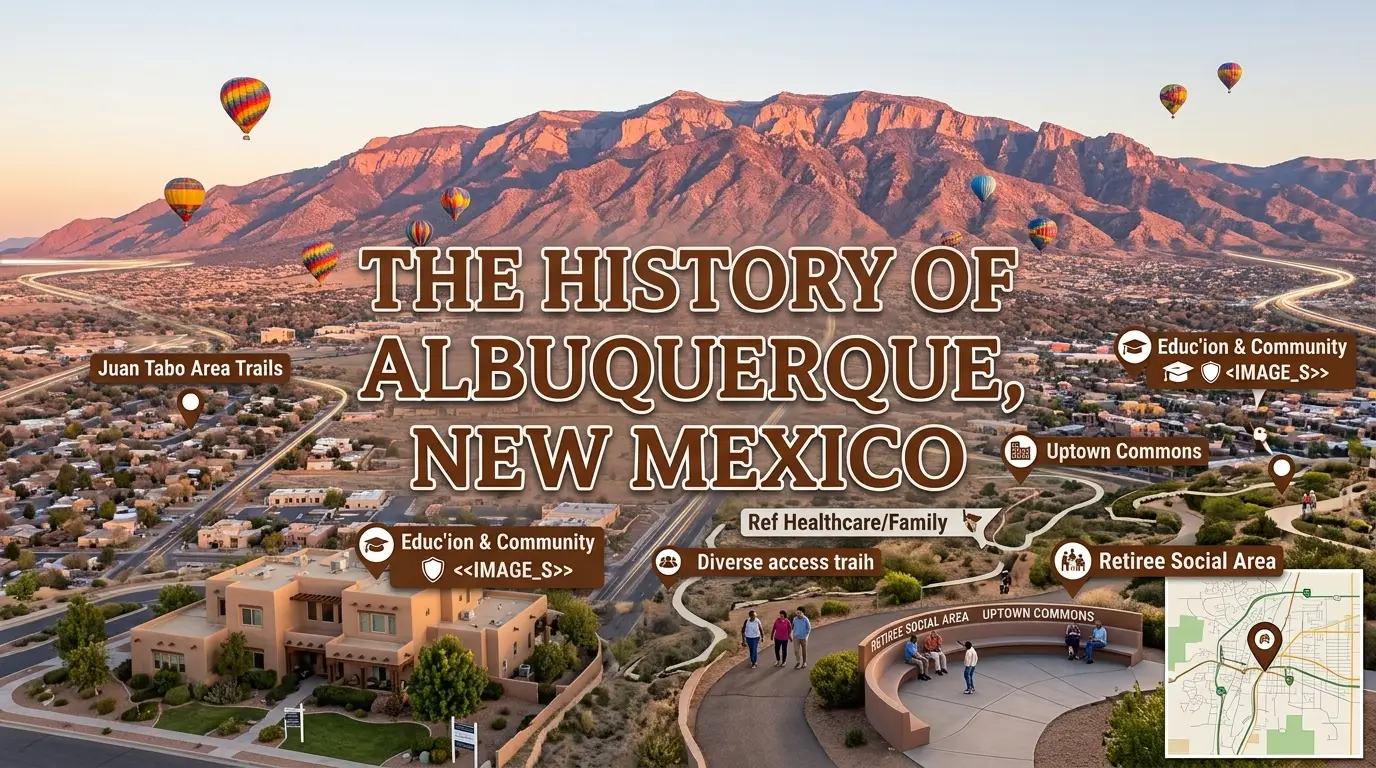
Discover the Rich Heritage Behind the Duke City
A City Shaped by Centuries of Culture
Albuquerque, New Mexico, is more than a beautiful place to live—it’s a city with a fascinating history that spans thousands of years. From the earliest Native American communities to Spanish settlers, the arrival of the railroad, the famous Route 66 era, and today’s thriving metropolitan area, Albuquerque has grown into one of the Southwest’s most unique and culturally rich cities. Its blend of history, innovation, and natural beauty continues to attract homebuyers, businesses, and visitors from across the country.
Whether you’re relocating, investing, or searching for your forever home, understanding Albuquerque’s past offers valuable insight into the character of its neighborhoods, architecture, and vibrant community.
Albuquerque Before European Settlement
Long before Albuquerque became New Mexico’s largest city, the Rio Grande Valley was home to Indigenous peoples who lived in the region for thousands of years. The ancestors of today’s Pueblo communities established permanent villages, developed sophisticated irrigation systems, and cultivated crops along the fertile river valley. These early civilizations laid the foundation for the rich cultural traditions that remain an important part of Albuquerque today.
Many nearby pueblos, including Sandia Pueblo and Isleta Pueblo, continue to preserve their customs, languages, arts, and traditions, contributing to the city’s unique cultural identity.
The Spanish Colonial Era
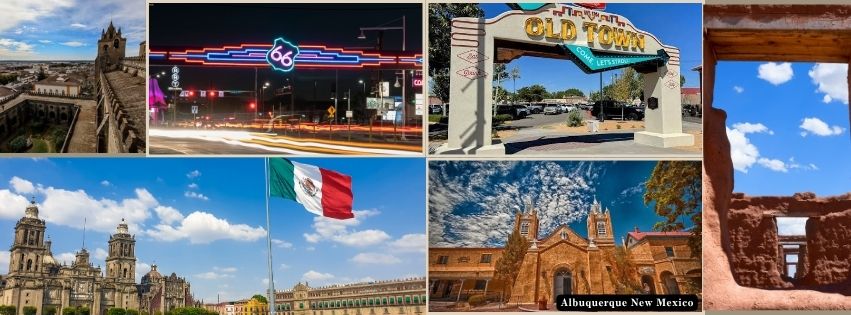
In 1706, Spanish Governor Francisco Cuervo y Valdés officially founded the Villa de Alburquerque as a colonial outpost along the Camino Real, an important trade route connecting Mexico City with Santa Fe. The community was named in honor of the Duke of Alburquerque, a Spanish nobleman, with one “r” later dropped from the city’s name.
At the center of the settlement was what is now Old Town Albuquerque, where adobe homes, the historic plaza, and San Felipe de Neri Church became the heart of the growing community. Today, Old Town remains one of Albuquerque’s most beloved destinations, offering visitors a glimpse into the city’s Spanish colonial heritage through its preserved architecture, museums, local shops, and cultural events.
Growth Through the Railroad and Route 66
The arrival of the Atchison, Topeka and Santa Fe Railway in the late 1800s transformed Albuquerque into an important transportation and commercial hub. Businesses flourished, new neighborhoods developed, and the city’s population began to grow rapidly.
During the 20th century, Albuquerque gained national recognition as a key stop along the legendary Route 66. The historic highway brought travelers, tourism, restaurants, motels, and local businesses that shaped much of the city’s identity. Even today, Central Avenue preserves much of Route 66’s nostalgic charm with restored neon signs, classic architecture, and locally owned businesses.
Albuquerque Today
Modern Albuquerque successfully blends its historic roots with innovation and economic growth. As New Mexico’s largest city, it is home to major employers, research institutions, healthcare systems, military installations, technology companies, and the University of New Mexico. Residents enjoy a high quality of life with over 300 days of sunshine each year, stunning views of the Sandia Mountains, and access to hiking, biking, skiing, golf, and countless outdoor activities.
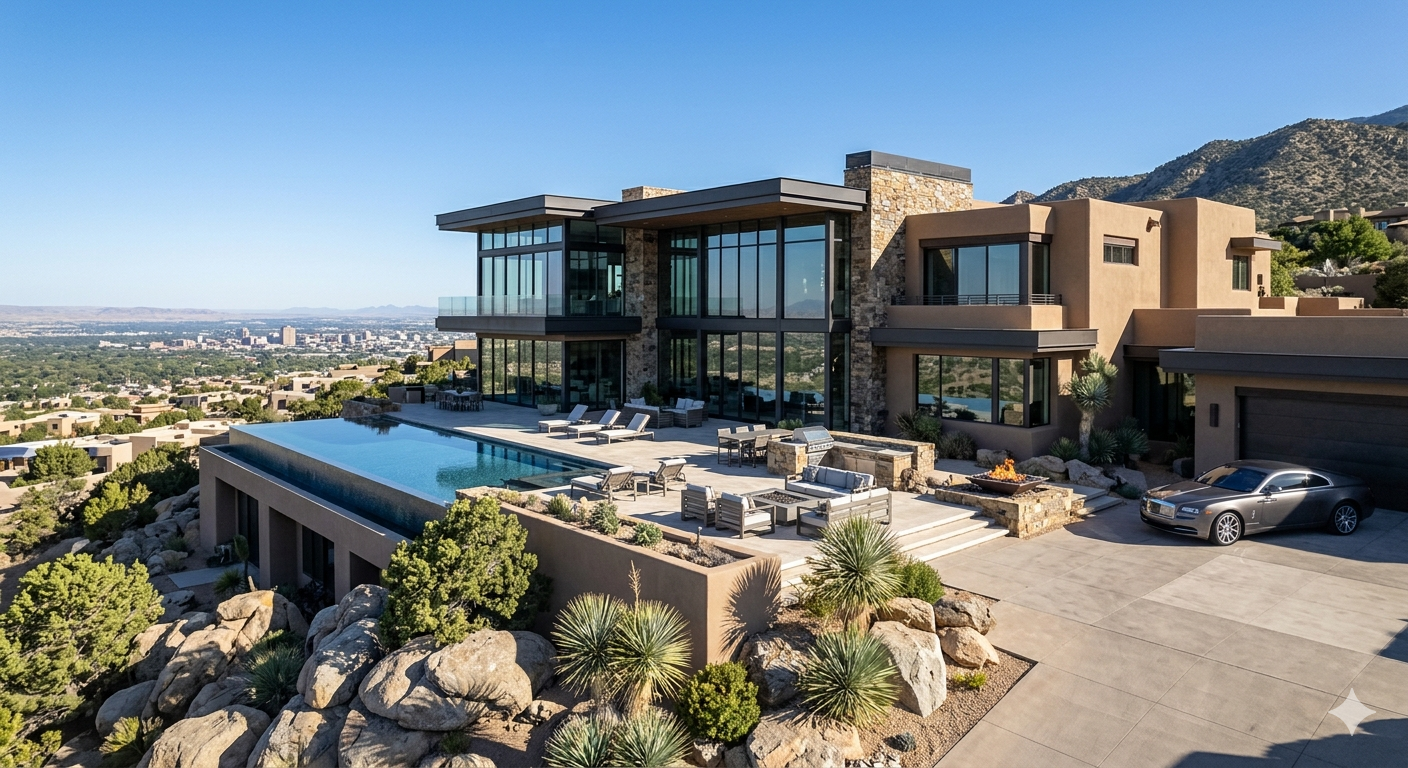
The city’s diverse neighborhoods offer something for everyone, from historic adobe homes and charming bungalows to luxury estates, new construction communities, and modern downtown condominiums. Albuquerque’s strong sense of community, cultural diversity, and affordable lifestyle continue to attract first-time buyers, retirees, professionals, military families, and investors.
Historic Neighborhoods Worth Exploring
Albuquerque’s history is reflected in many of its most recognizable neighborhoods. Areas such as Old Town, Nob Hill, North Valley, Downtown Albuquerque, and Barelas showcase unique architecture, local businesses, cultural attractions, and a strong connection to the city’s past. Meanwhile, communities like Northeast Heights, High Desert, North Albuquerque Acres, and Mesa del Sol highlight Albuquerque’s continued growth and modern development.
Exploring these neighborhoods helps homebuyers appreciate the diversity of housing styles, amenities, and lifestyles available throughout the city.
Why Albuquerque’s History Matters to Homebuyers
A city’s history often shapes its neighborhoods, architecture, and long-term property values. Albuquerque’s blend of historic charm and modern development creates opportunities for buyers seeking everything from character-filled historic homes to contemporary communities with the latest amenities. Understanding the city’s evolution also provides valuable context for local market trends, community growth, and future investment potential.
Whether you’re searching for a walkable historic district, a quiet suburban neighborhood, or a luxury home with mountain views, Albuquerque offers a unique combination of heritage and opportunity.
Continue Exploring Albuquerque
The history of Albuquerque is only one part of what makes the city such a wonderful place to call home. Explore our additional local resources to learn more about neighborhoods, schools, lifestyle, community events, market updates, and real estate opportunities throughout Albuquerque and the surrounding areas.
Ready to Make Albuquerque Your Home?
Whether you’re moving across town or relocating from another state, Jennifer and Vinay Rodgers of The Rodgers Neighborhood Real Estate Group are here to help you find the perfect home while sharing the local knowledge that makes Albuquerque such a special place to live.

Leave a Reply